
VertigoBPPVPatient Guide

Diagnosed with BPPV? What Happens Next

The good news: BPPV is one of the most treatable causes of vertigo. Here is what actually helps, what recovery feels like, and when to come back for review.

BPPV diagnosis and vertigo treatment at HealthNest Clinic Lucknow
BPPV is a mechanical inner-ear problem. The treatment is usually a precise repositioning maneuver, not months of vertigo tablets.
Start here

The road ahead after a BPPV diagnosis

If your doctor has told you that your spinning episodes are due to BPPV - benign paroxysmal positional vertigo - you may feel relieved that it is not dangerous, but unsure what to do next. This guide answers the questions patients ask right after diagnosis.

First, the reassuring part: of all the causes of vertigo, BPPV is among the most fixable. Most people are dramatically better within one or two clinic visits when the affected canal is correctly identified and treated with the right repositioning maneuver.

The 30-second version of your diagnosis

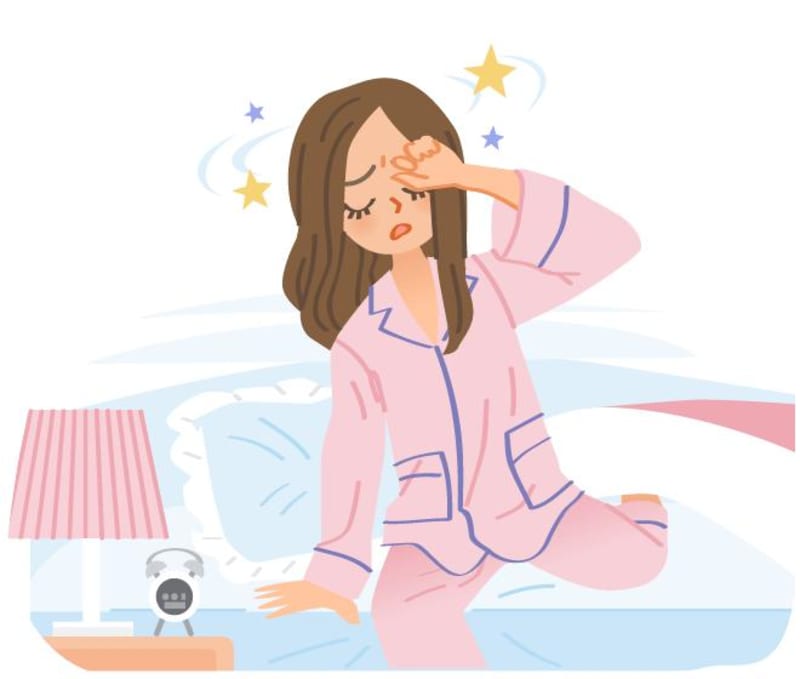
Deep inside your inner ear are tiny calcium crystals that help your brain sense gravity and movement. In BPPV, a few of these crystals break loose and drift into one of the ear's balance canals, where they do not belong. Every time you turn your head a certain way - rolling over in bed, looking up or bending down - the loose crystals move inside the canal and send a false spinning signal to your brain.

That is why BPPV vertigo is brief, positional and often dramatic. Nothing is permanently damaged. Something is simply out of place.

Why this matters: BPPV is a mechanical problem - a crystal in the wrong canal. Mechanical problems need mechanical solutions. This single fact explains why the right maneuver matters more than long courses of tablets.

Step 1: The treatment is a maneuver, not a medicine

The definitive treatment for BPPV is a canalith repositioning maneuver - a precise sequence of head and body positions that uses gravity to guide the loose crystals back out of the canal. The best known is the Epley maneuver, but the right maneuver depends on which canal is involved and which side is affected.

This is why positional testing matters. At a vertigo clinic, VNG testing can help record the eye movements that identify the involved canal objectively. Done correctly, a single session resolves symptoms in many patients, and repeat treatment over one or two visits improves the success rate further.

What about vertigo tablets? Medicines such as betahistine or cinnarizine can dull dizziness temporarily, but they cannot move a displaced crystal. If spinning still occurs on rolling over in bed after weeks of tablets, the underlying BPPV may have been masked rather than treated.

Step 2: Know what is normal after the maneuver

Patients often worry when they still feel a little off after a successful Epley maneuver. A typical recovery looks like this:

After your repositioning maneuver
First few hours
Mild unsteadiness is expected. Avoid driving yourself home immediately after the session if possible. Sudden head movements may feel briefly uncomfortable.
Day 1-3
A floaty or light-headed feeling can linger. This is your brain recalibrating. It is different from true BPPV spinning triggered by position and lasting under a minute.
By 1 week
Most people feel normal. If positional spinning is still occurring, the crystals may not have fully cleared, and a repeat maneuver usually settles it.
Follow-up
A repeat positional test confirms the canal is clear. Feeling better and canal clearance usually match, but follow-up testing matters when symptoms persist.

Do you need to sleep sitting up for two days? This was standard advice for years. Current evidence suggests strict restrictions add little after a properly performed maneuver, but advice can vary depending on the canal involved, so follow the instructions your treating doctor gives you.

Step 3: Understand recurrence - and do not fear it

Here is the part many patients are never told: BPPV can come back. Roughly one in three people experience recurrence within a few years. This is not the treatment failing. It means new crystals have dislodged, which is more likely with age, head injury, prolonged bed rest or some inner-ear conditions.

The practical takeaway is simple: if the same brief, positional spinning returns months or years later, you do not need to restart weeks of tablets. You need positional testing and the right repositioning maneuver again.

Step 4: Reduce the chances of it returning

CheckVitamin D

Correcting deficiency may reduce recurrence in people who are deficient, and deficiency is common in India.

MoveNormally

Guarding your head and moving stiffly does not prevent recurrence and can slow balance recalibration.

NoteTrigger side

Knowing which ear and canal were involved can make any future episode faster to diagnose and treat.

When it is not just BPPV - seek review urgently

  • Vertigo with new hearing loss, ear fullness or ringing
  • Spinning that is continuous for hours rather than seconds-long episodes
  • Vertigo with severe headache, double vision, slurred speech, weakness, numbness or inability to walk
  • Dizziness after a head injury

These features point away from simple BPPV and need prompt evaluation, sometimes urgently.

Still dizzy despite vertigo medicine? HealthNest Clinic runs a dedicated VNG vestibular lab in Lucknow to identify the exact canal involved and treat BPPV with the correct maneuver.

Book a vertigo consultation

Frequently asked questions

Is it normal to feel dizzy after the Epley maneuver?
Yes. A mild, unsteady, floaty feeling for two to three days afterwards is common and expected. It is your brain recalibrating. What should not continue is true spinning triggered by lying down or rolling over. If that persists, the canal may need a repeat maneuver at follow-up.
Do vertigo tablets cure BPPV?
No. They may blunt the sensation temporarily, but they cannot reposition a displaced crystal. BPPV is treated with a repositioning maneuver matched to the affected canal.
Do I have to sleep sitting up afterwards?
Strict restrictions were once routine, but current evidence suggests they add little to a well-performed maneuver. Follow your treating doctor's specific advice, since it can vary with the canal involved.
Will my BPPV come back?
It can. Roughly one in three people have a recurrence within a few years. The same treatment works again, usually just as quickly. Correcting vitamin D deficiency may lower the risk of recurrence.
How long does BPPV last?
Each spinning episode is short - seconds to a minute. Left alone, BPPV can continue for weeks to months. With a correctly performed repositioning maneuver, most people are clear within one or two sessions - days, not months.
Can I go back to work with BPPV?
For desk-based work, most people are back within a day of a successful maneuver. Jobs involving driving, riding a two-wheeler, working at heights or on ladders, or operating machinery need more caution until follow-up testing confirms the canal has cleared.
What positions trigger BPPV?
The classic triggers are rolling over in bed, lying down or sitting up, tipping the head back - for example reaching a top shelf or the hair-wash position at a salon - and bending forward. These are triggers to recognize, not movements to avoid forever.
Why does the diagnosis need VNG testing?
The repositioning maneuver only works reliably if it is performed for the correct canal on the correct side. VNG records eye movements during positional testing, helping identify the exact canal involved, including less common variants that are easy to miss on bedside examination alone.
Dr. Akansha Tewari ENT vertigo specialist Lucknow

Written and reviewed by Dr. Akansha Tewari

MS ENT Gold Medalist (KGMU) · DNB Otorhinolaryngology · Fellowship in Asthma, Allergy & Immunology, AIIMS · Certified Vertigo & Imbalance Specialist. Dr. Tewari runs HealthNest Clinic, an Advanced ENT, Vertigo & Allergy Centre in Golf City, Lucknow.

Read full profile →

Related Articles

More from the HealthNest Blog

Also read

BPPV: The Most Common Cause of Sudden Dizziness

A companion guide explaining why positional vertigo happens and how it is diagnosed.

Common Ear Problems and When to See a Specialist

Useful for patients comparing vertigo, ear blockage, hearing change and other ear symptoms.

© 2026 HealthNest Clinic - Dr. Tewari's Advanced ENT, Vertigo & Allergy Centre, Lucknow.

This article is for informational purposes only and does not constitute medical advice. Please consult a qualified doctor for diagnosis and treatment.